

Throughout history, iconic artists have left their mark on the art world, influencing generations of artists. Through their innovative techniques, novel perspectives, organization of thought, and groundbreaking ideas, they are still relevant in contemporary art. In this article, we learn how modern artistic styles are shaped by learning from these masters and how they inspire new movements.
The Legacy of Iconic Artists
Pablo Picasso and Andy Warhol have changed the course of art. Cubism pioneer Picasso deconstructed subjects into geometric form, challenging conventional depiction. He also inspired later artists to experiment with abstraction and redefine visual storytelling. While Warhol blurred the lines between high art and popular culture through such iconic silkscreens of celebrities and consumer products, he was more focused. Contemporary art fairs have fostered a merger of art and commerce and, in turn, encouraged artists to address social issues and to reconsider the character of artistic value.
Techniques and Innovations
Their techniques are carried over into contemporary practice. For instance, bold colors and dynamic compositions found in Expressionism can be traced to Vincent van Gogh and Edvard Munch. Modern artists are encouraged to express personal feelings with their brushwork and vibrant palettes. In addition, the emergence of mixed media, favored by artists like Robert Rauschenberg, encouraged not only its practitioners but also those whose work often experimented with color. Today, painting is often paired with photography, sculpture, digital media, and many other elements.
Thematic Exploration
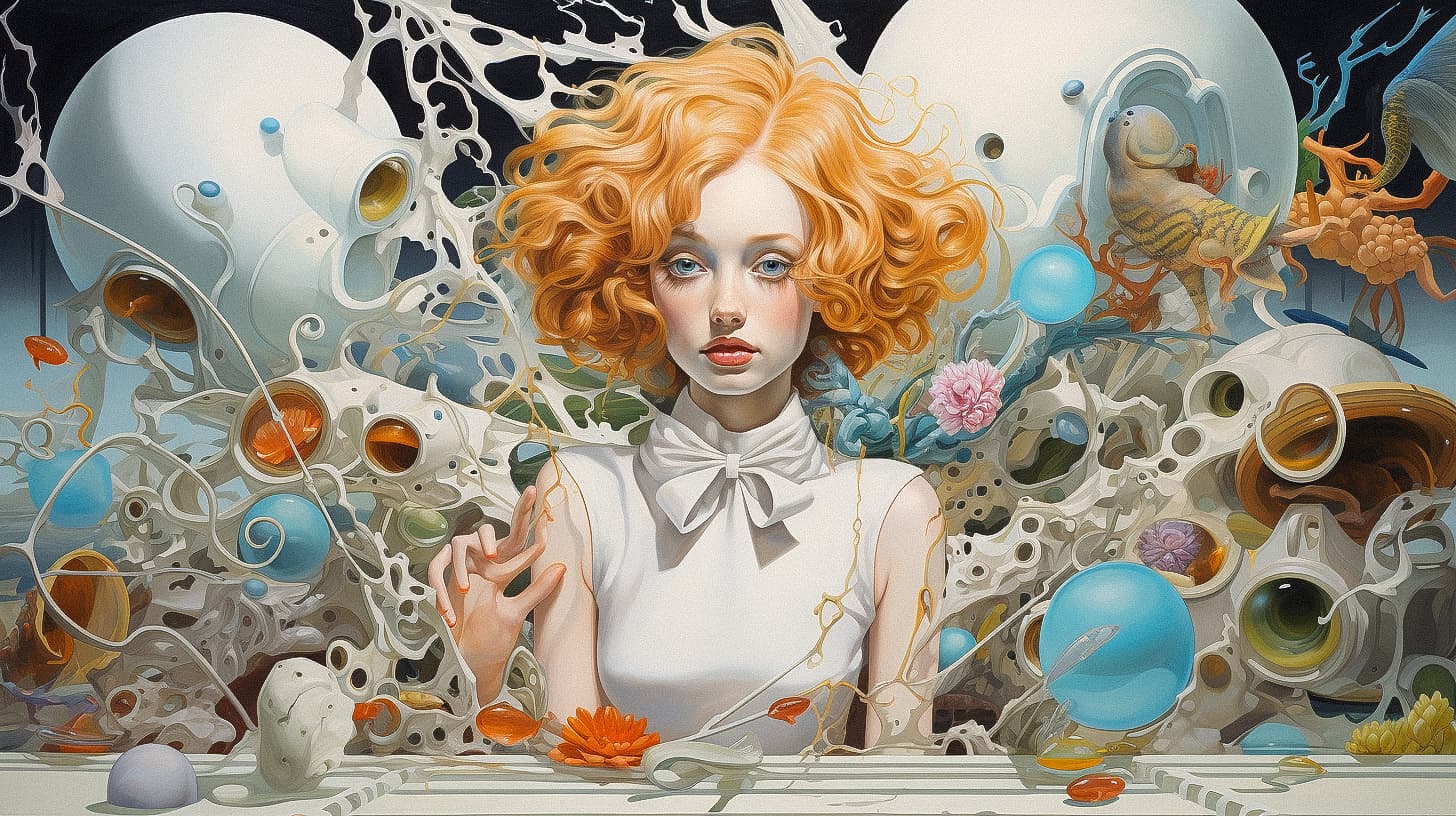
Often, iconic artists were invited to take on challenging themes, including identity, society, and politics, setting the groundwork for today’s debates. Consider Frida Kahlo’s exploration of personal pain and cultural identity as resonating with many modern artists who address gender, race, and mental health in their work. Instead, contemporary creators look to Kahlo for inspiration in her honesty and vulnerability, drawing on her struggles and experiences. Along the same lines, it is often encouraged to focus on social change through art by the conceptual art approaches of artists like Joseph Beuys and his disciples; therefore, today’s artists are supposed to think about their role in urgently undoing a global problem.
The Influence of Art Movements
Historical figures established art movements that continue to influence contemporary styles. In the mid-20th century, however, the rise of Abstract Expressionism brought spontaneity and emotional intensity to painting. Jackson Pollock is among those artists who focused on painting as a form of expression. Yet, process has become a focus of contemporary practices such as performance art and installation art, where the experience, not the finished product, becomes important to viewers’ understanding.
Additionally, movements like Minimalism compel artists to eliminate what is unnecessary and focus on what is important. But I think this philosophy really works for many contemporary creators who want to bring clarity and simplicity to their work without sacrificing complexity.
Collaboration Across Generations
Today’s artists frequently pay homage to or reinterpret the works of their predecessors. More so than anything else, this dialogue of past and present creates a tapestry of creativity that respects tradition and welcomes innovation. Collaborative projects that mix the styles or concepts of the past with the present offer new interpretations that keep the spirit of iconic artists alive.
Conclusion
In contemporary practice, we often lean on the masters. Iconic artists have established techniques, themes, and movements that inspire new generations to explore their creativity and address important societal issues. Modern artists draw on this abundance of great history, yet at the same time, they tip their hat to their predecessors and continue the story of the work and life of the world we live in today. Art thus continues to be a dynamic force of expression and reflection through this ongoing dialogue between past and present.