

The process of turning an initial concept into a tangible work of art is a multifaceted journey. This is a process of structure: part inspiration, part planning, and part execution, that ultimately culminates in the final work. As you understand this journey, you learn to appreciate the art and the artist’s creative process further. So, here’s a closer look at the process of going from concept to canvas.
Finding Inspiration
The inspiration for the journey can come from different sources, and the journey starts with that. Many artists draw inspiration from nature, personal experiences, feelings, or other artwork. The first of these sparks can come in any form, a flash of thought, or in the form of a very detailed image for the artist. This is where keeping a sketchbook or journal can come in handy, because I may need to write down ideas, sketches, or color palettes that I am happy with. This investigation of inspiration lays the groundwork for the work to follow.
Developing the Concept
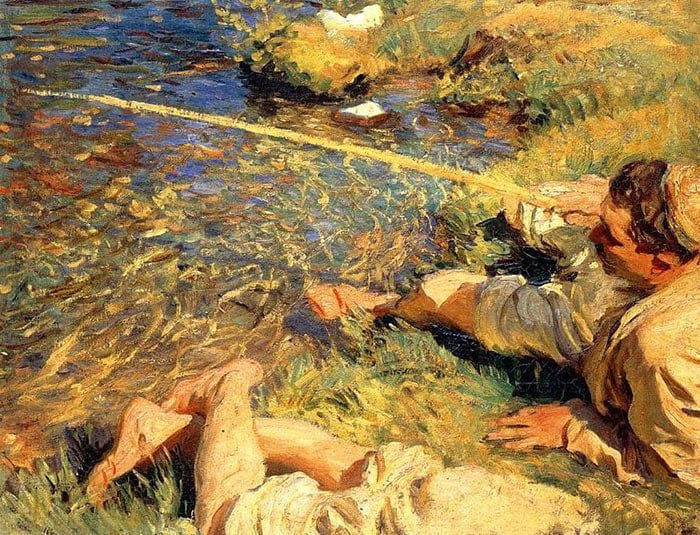
After an idea has been formed, the concept has to be further developed. Relating to refining the initial spark of inspiration, turning it into a well – reasoned theme or message. Such questions may arise: what do I want to express in my work, and how should I express it? Researching relevant subjects or exploring various art styles can also inform this stage. Preliminary sketches or mood boards help us envision the end product and serve as a roadmap for execution.
Choosing Materials
As artists grapple with a clear concept, they must select their materials. Which medium you use—oil, acrylic, watercolor, or mixed media—can have a huge bearing on what sort of painting it turns out to be. The properties of each medium, and the techniques used to achieve the desired results, affect texture, color vibrancy, and drying time. Also vital is choosing the right size and type of canvas; larger canvases can be bold statements, while smaller ones can convey intimacy. It’s essential at this stage to ensure the artist has everything they need to bring their vision to life.
Sketching and Composition
Many artists will sketch their canvas out in great detail before starting a painting. It gives them a chance to work out composition, balance, and perspective. A well-planned composition helps the viewer’s eye and adds to the work’s overall impact. Artists use grid techniques or transfer methods to ensure how they proportion and place their elements. This preparatory work is a solid preparation for painting.
The Painting Process
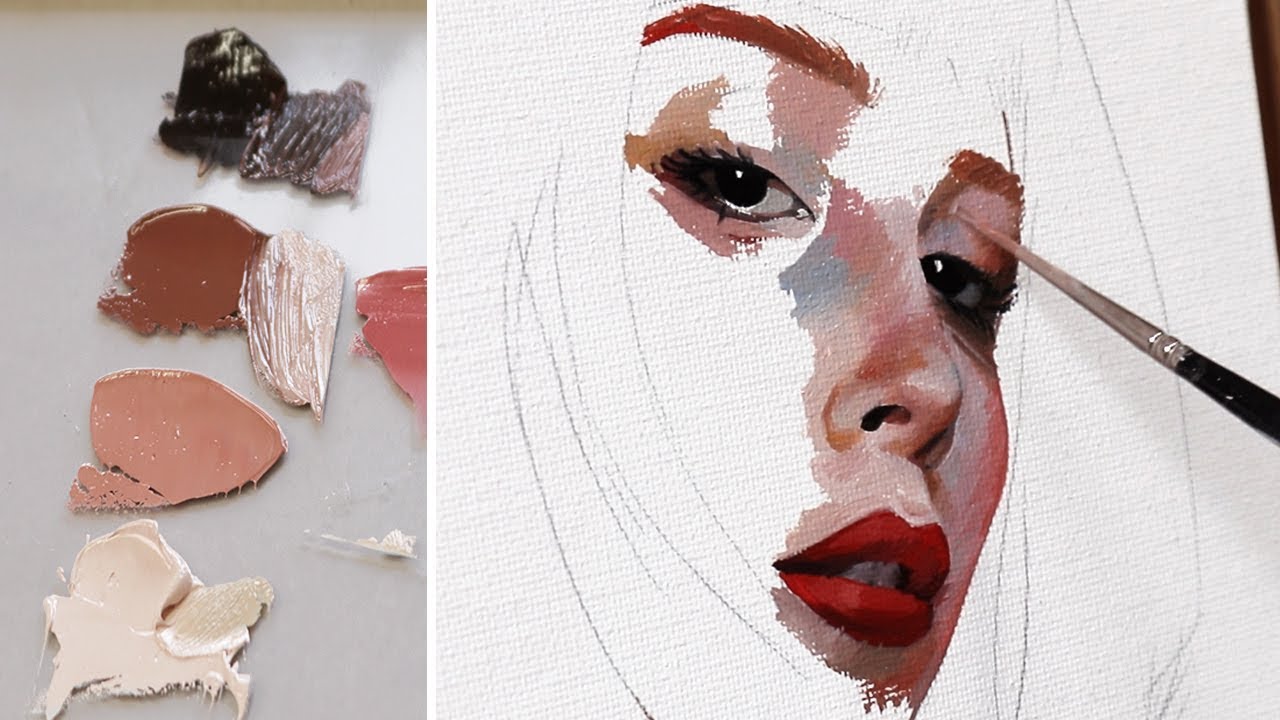
Now comes the exciting part: applying paint to canvas. An underpainting, a monochromatic layer that sets values and forms before color, is often the first stage for artists. This layering is very instrumental, very important in this phase, because the artists create these colors gradually to build depth and richness that they use. For instance, glazing or scumbling can make interesting textures and effects. It’s throughout this process where artists are open to spontaneity – and sometimes beautiful surprises come through with the unexpected.
Final Touches and Reflection
Once the painting has been finished, artists spend some time on the final touch—details refinement, contrast accentuation, or highlight shining. This stage is very important because it helps you achieve balance and harmony in the piece. Once the artists are finished, they take a moment to reflect on the work they just completed from afar. Reflection on this helps them to determine if they have communicated their initial concept and emotional intent.
Conclusion
But the process from concept to canvas is complex and requires creativity, planning, and skill. Every step, from inspiration to final touches, contributes to creating the artwork. By understanding this journey, we can also learn more about the piece and the artist, what it was like to make, and what was intended for it. Finally, making a painting isn’t only about making art; it’s about communication, about being seen by another human, it’s about expressing yourself and sharing your personal point of view with the world.