

One picture can speak a thousand words, even more so. It can speak many words, but you have to understand how to capture a compelling moment. Image creation is an intentional design that can evoke a powerful emotion.
This is what every good photographer has in common. It is your duty as a photographer to do more than capture a technically good photograph. It is your job to communicate the story the scene offers. So how do you accomplish this? Let’s move on to the next step.
Find a Subject With Personality
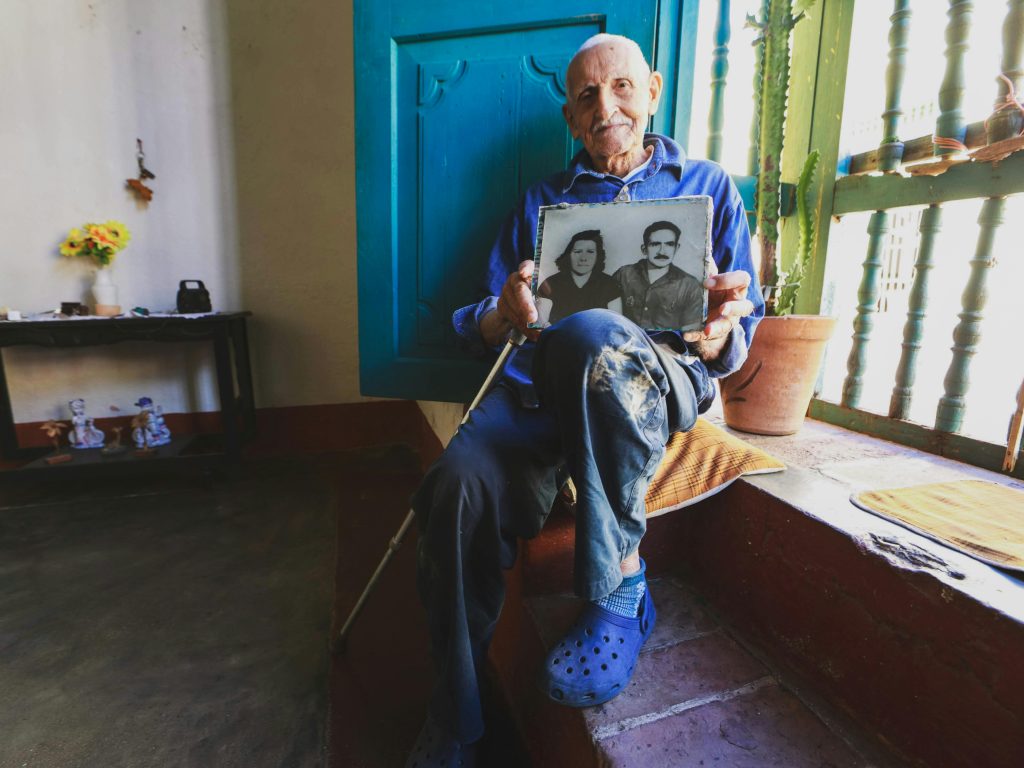
The best story photographs begin with a scene that has a subject and something happening. What captures your attention? A bold face, a funny pose, or something else? Your instinct is right when you see a scene that makes you stop and look. Your audience will feel the same. A strong presence in a scene will make the story in the photo obvious. You don’t need to have a caption.
Look for these things in your subject:
- Faces with real emotion
- Body language that says something
- Details that feel personal or unique
The goal is to spark curiosity. You want viewers to ask, “What’s the story here?”
Create a Mood on Purpose
Mood is one of your biggest tools. A cold blue tone can feel lonely or sad. Warm golden light feels safe and happy. These aren’t random choices. You pick them to guide how the viewer feels.
Say you’re shooting a polar bear cub on a grey day. You lean into the cold, bleak colors. You pull back to show the space around it. You wait for the bear to lay its head down. Each choice adds to the mood. Together, they tell a story about a harsh, lonely place.
You can shape the mood by adjusting:
- Color tone: warm or cool
- How much space surrounds your subject
- The exact moment you press the shutter
Use Weather and Light as Tools
In fact, bad weather could be your best friend. Storms, fog, wind, and rain provide energy to the photo. They give life to it. A sandstorm at sunset is not a boring dune. It is dramatic. The dullest shots are from flat, grey days, with no weather, nor story.
The same is true for light. Light behind your subject creates a silhouette, and an exposed subject will look radiant, clogged with the last remaining sliver of golden light. Weather and light offer more than a backdrop. In fact, they’re a key part of the story.
Let Your Subject Own the Frame

Sometimes the story lives in the composition. A twisted old tree in a forest full of straight ones stands out right away. It has character. Put it front and center. Let it own the frame.
Don’t clutter the shot. Simple, clean compositions let your subject speak louder. The viewer’s eye knows where to go. That focus drives the story home.
Put Your Own Vision Into the Shot
A good story photo is not all about what you capture. It is about what you choose to see. Your perspective. The way you frame an image. Your choices on when you press the shutter all contribute to the final image.
Think about the things you like. Do you like low-light photography? Do you like shadows and the mysterious elements they bring? Then go for it. Imagine a back-lit lion being photographed. Only the glowing mane is in frame. Even though a lion is seen in the image, it is far more interesting than a flat midday shot of a lion. Your photos should tell a story about you. A good photo should show what you see.
A Few Quick Tips to Pull It All Together
- Shoot in interesting light, not just bright light
- Wait for the right moment before you press the shutter
- Let the mood guide your color and tone choices
- Look for subjects that already have personality
- Keep the frame simple so the story stays clear
A single photograph can stop someone mid-scroll. It can make a stranger feel something real. That’s a powerful thing. You don’t need a whole album to tell a story. You need one great frame and the eye to see it.