
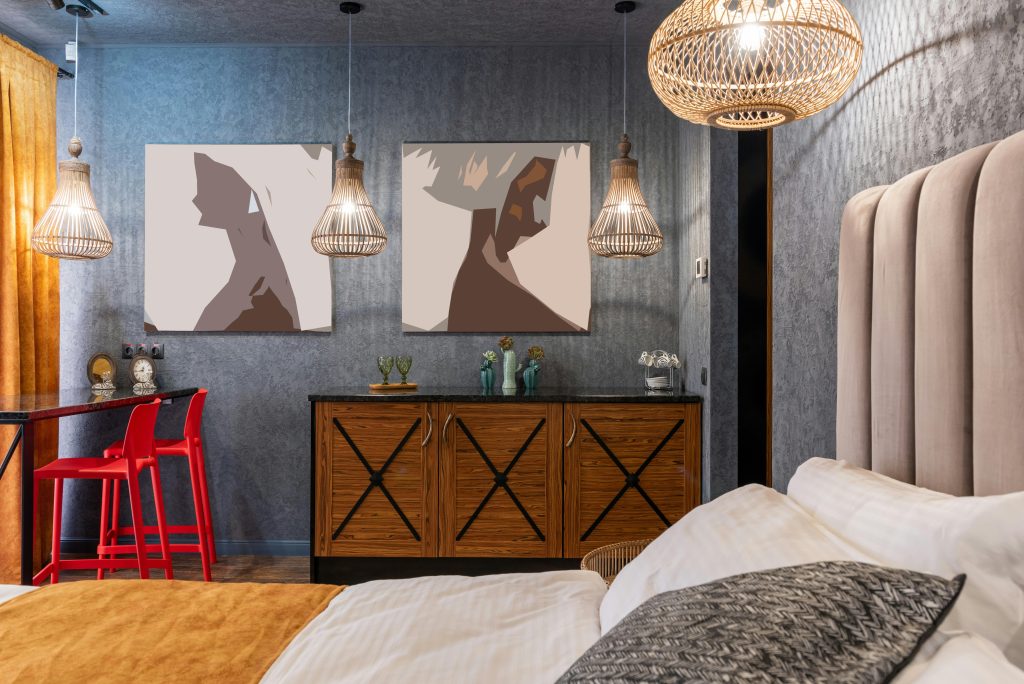
Art can change a room from top to bottom. A gallery visit or an online search can hit you with too many options at once and leave you feeling like you are looking at a pile of frames. Don’t worry. This guide breaks down how to choose art by room to help you find art you love.
Start With the Living Room
Your living room is the most important in your house. It is also the room your guests are most likely to see first. There is no room in your house better suited to making a first impression. Here, you can really make a statement. A large statement piece can help set the tone for the entire room. Art for your living room should be about two-thirds the length of your sofa.
Consider your existing items when selecting colors. If your walls and furniture are neutral, you can incorporate a piece with warm or bright tones. That can quickly energize the room. If your décor is bold, you will need to go with something more subdued and simple.
The Bedroom
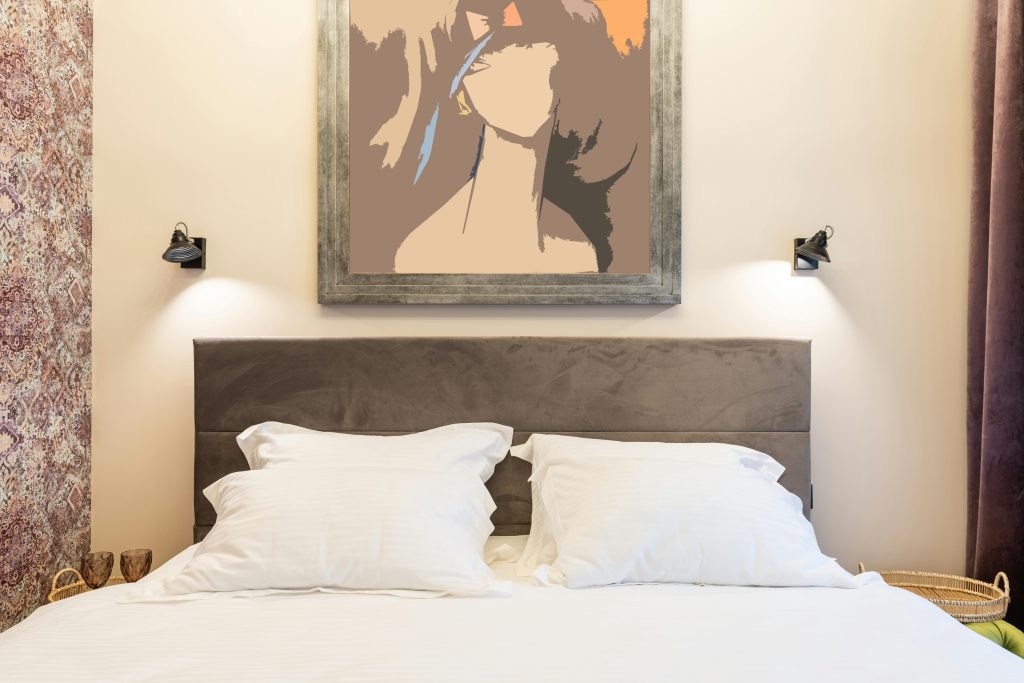
The bedroom should feel calming from the moment you step in. Light blue, cream, and warm, earthy tones will help with that. Good options include nature scenes, gentle abstracts, and quiet-toned cultural pieces.
Hang the art above the headboard at a height that is easy to see. Nothing too insistent or too loud. The goal is to feel at ease the moment you walk in. First impressions often matter more than people think.
The Dining Room
Dining rooms are great for art that sparks a little conversation. Warm tones feel inviting here. Cultural pieces with a story behind them work really well. A gallery wall with matching frames looks clean and put together.
Hang art at eye level. That way, it catches attention naturally as people sit and eat, without anyone craning their neck.
The Kitchen
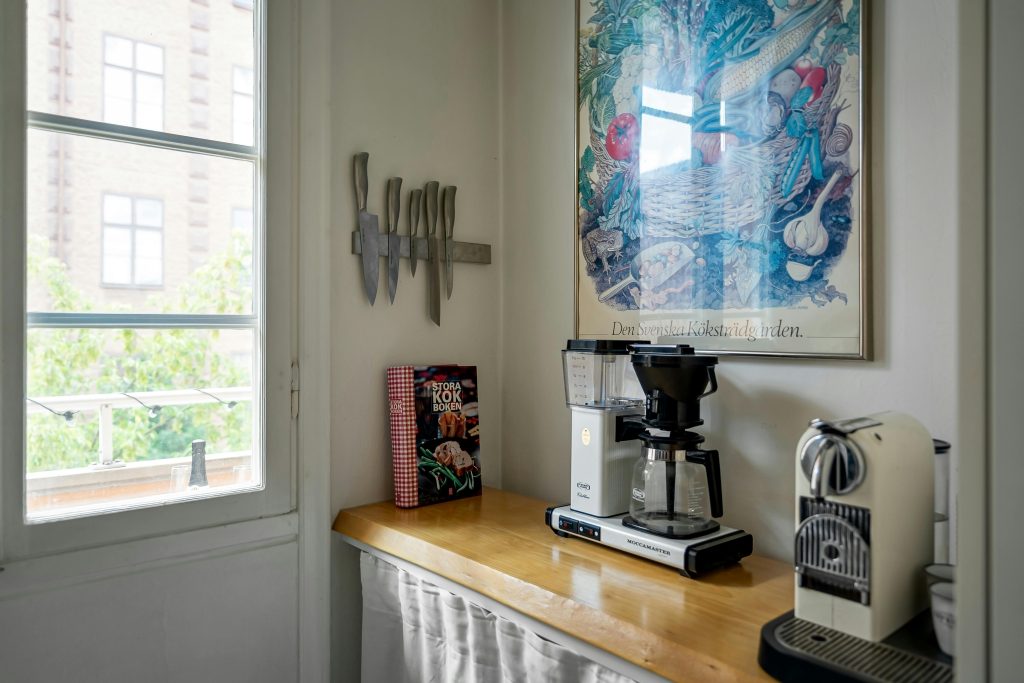
A lot of people leave the kitchen plain. That is a missed chance. This can be one of the nicest places to add a little personality. You do not need much. Small framed prints, fun food-themed drawings, or a short quote can bring warmth and charm into the room. A kitchen does not need to feel cold and bare.
Just keep practical details in mind. Art should not be hung too close to the stove or sink. Heat and moisture can wear down frames fast. So if you want them to last, give them a safer spot.
The Home Office
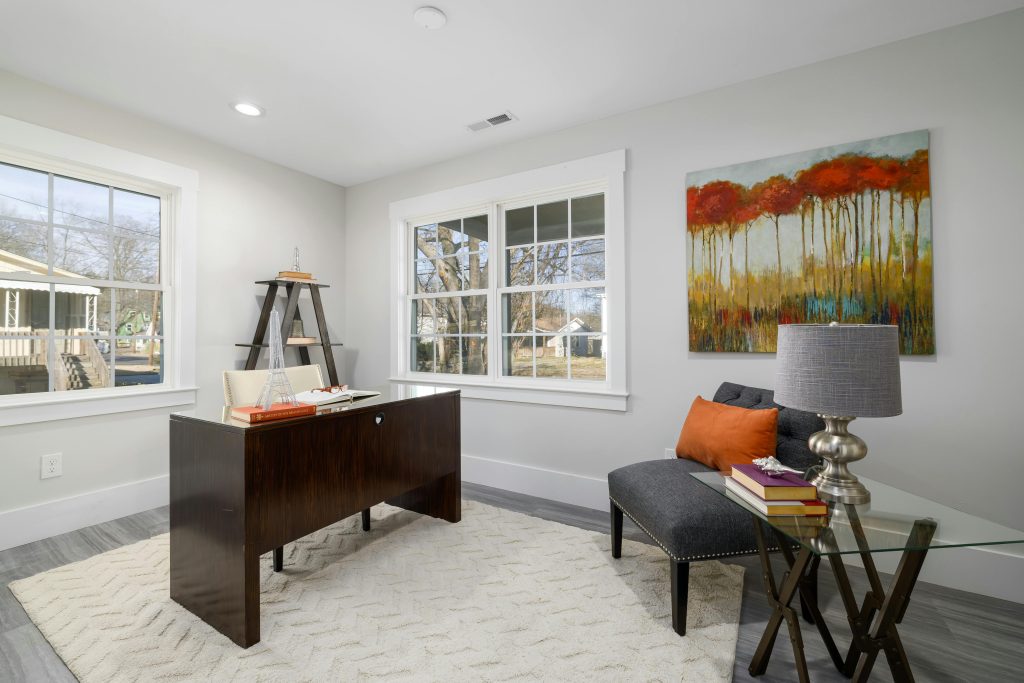
Your home office deserves some attention, too. The right art can help you focus and feel more creative at the same time. Abstract pieces are great for sparking ideas. Calm landscapes help take the edge off stressful days.
Place your art somewhere you can see it easily from your desk. A side wall or the wall straight ahead both work well.
Hallways and Entryways
Hallways get ignored a lot. But they set the tone before anyone even reaches the main rooms. A gallery wall with a few small to medium pieces looks great here. In tight spaces, tall, narrow art fits without crowding.
Your hallway is like a little preview of your style. Give it some love, too.
Match Art to Your Home’s Style
Your art should feel like a natural part of the room. Here is a quick breakdown:
- Modern homes: go with minimalist or abstract pieces
- Traditional homes: classic or cultural art tends to fit naturally
- Bohemian style: bold, colorful, and textured art gives the room energy
- Contemporary spaces: large pieces with clean lines look crisp and strong
Also, color can be viewed in two simple ways. You can blend the art into the room by choosing shades already used in the space. Or you can create contrast and make the piece the focal point. Both approaches can work. The right one depends on the effect you want.
Buy What You Love
Design tips are useful, but the most important rule stays the same. Buy art you love. Before you make that choice, ask yourself a few quick questions:
- Does it make you feel something?
- Can you see it working in your home?
- Will you still love it a year from now?
If yes, then go with it. Art in your home should feel personal. The right piece tells your story without a single word being spoken. That is where its value is often found.