

Artwork needs care and attention like any living being. The good news is that most of what needs to be done to keep art in great condition isn’t time-consuming or expensive. Especially with any artwork you care about.
Handle With Care
Always use clean hands when touching a painting. Better yet, wear soft cotton gloves. Remove any rings or watches before you pick anything up. They scratch paint surfaces more than you’d expect. Carry paintings with both hands from the sides of the frame. Never grab the top. And only move one painting at a time.
For large or heavy pieces, get a second person to help. Two people are always safer.
Where You Hang It Matters
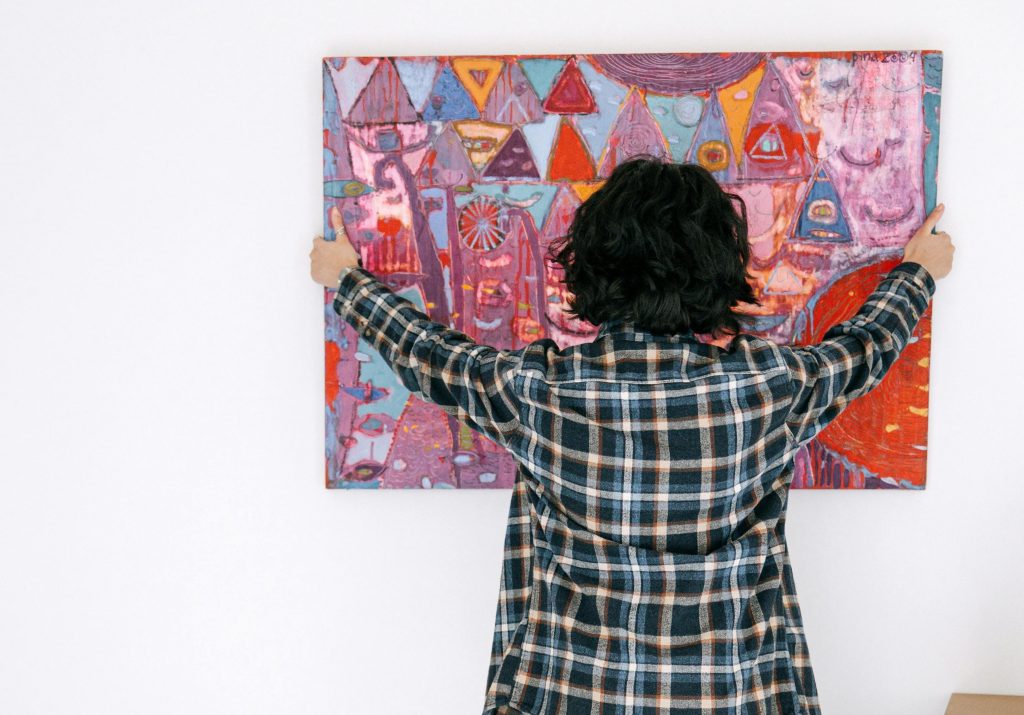
Believe it or not, your artwork’s lifespan is partly dependent on which part of the wall it hangs on. Avoid areas above heat sources, as the artwork will dry out more quickly and will age faster. Hot air will rise, and with it, dirt will be pulled up, making your artwork dirty faster than the rest of the walls.
Never hang art above fireplaces or any smoke source. The soot and smoke will gradually darken your artwork, and nobody can undo that kind of damage.
Pick a wall spot that is:
- Away from direct sunlight
- Far from heaters or vents
- In a room with a steady temperature
- Secured into a wall stud for heavy pieces
Sunlight Is a Silent Enemy
Sunlight fades paint slowly. You won’t notice it day to day. But over months and years, colors shift, and the image loses its balance—the rays in sunlight cause most of the damage. Keep paintings out of direct sunlight. Use curtains or special light-blocking glass to protect your art.
Humidity: Too Much or Too Little Is Bad
Humidity is tricky. Too little and the paint gets brittle. Too much and mold grows. Both are bad for your artwork.
Rapid changes in humidity are the worst thing for wood panel paintings. The wood expands and contracts with changes in moisture. Over time, it warps and curves—the paint on top cracks and flakes off. Try to keep the room at a steady humidity level all year. It really does make a big difference.
Watch for black spots on canvas paintings. That’s mold. It is most common in acrylic paintings kept in damp rooms.
How to Dust a Painting
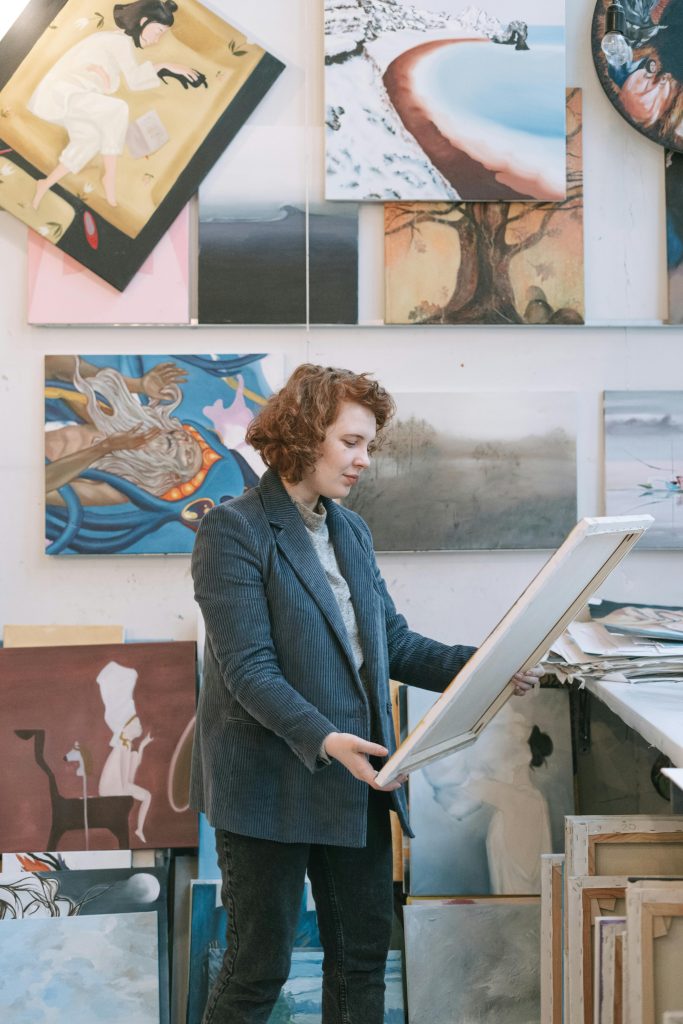
Dusting art takes a gentle touch. Use a clean, soft brush with natural hair bristles. Move it slowly across the painting in one direction. Then brush back the other way. Let the dust fall away from the surface.
Never use a cloth or feather duster. Cloth threads can catch on raised paint. Feather dusters scratch. Both cause real damage.
Skip brushing altogether if the surface looks powdery or matte. You could leave shiny marks that stay forever.
When to Call a Pro
Some things are better left to experts. If paint is flaking or the frame feels loose, stop and get help. A painting conservator knows how to safely fix these problems. They’ve spent years on this stuff. Don’t wait until the damage gets worse. A quick visit could save your artwork for decades to come.