

Custom paintings offer a special way to create art that feels personal and meaningful. A story can be built into the piece. And the work can also be tailored to a specific part of your home. It is art made with a place and purpose in mind.
That said, where should you start? Let me walk you through it.
What Does “Commission a Painting” Mean?
To commission an artwork means to purchase a painting that was made specifically for you – a one-off piece of art. Rather than selecting a print from a website or gallery, you are collaborating with an artist to create an original piece.
Step One
Before you reach out to anyone, figure out what you’re after. Ask yourself:
- What do you want the painting to be? An abstract, a portrait, or a landscape?
- Where will it hang?
- Are there specific colors you want?
- How big do you want it to be?
- What is your deadline?
You do not need to have every question answered. Focus on identifying the most important elements you want to capture. You can collect images of reference. The simplest mood board will significantly help you communicate your vision.
Step Two
Neither artists nor illustrators accept commissions. Even if they do, they may not be a good fit for your project. And so take your time. You also need to look for someone whose previous work is closer to your idea. If you want loose, abstract brushwork, do not hire a hyper-realistic portrait artist. This is how you set everyone up to fail.
Some good platforms for finding illustrators and artists include Etsy, Instagram, local galleries, and Rise Art.
Step Three
At this stage, a match has been found, and it is time to discuss the details. Be clear about your references and your vision. Also, share the deadline and the budget. When these points are stated early, the process moves much more smoothly. Great artists typically ask many questions to understand what you are looking for. If an artist isn’t asking questions and agrees with everything you ask, you can consider looking elsewhere.
Stay open to artists’ input as well. Clients do not have as much experience with the materials they are working with, so an artist may recommend a different size or technique that will help accomplish your vision even better than you expected.
Step Four
Yes, you need a contract. Even for small commissions. It doesn’t have to be complicated — cover the basics:
- Total price and payment schedule
- Deposit amount (usually 30–50% upfront)
- Deadline
- Number of revisions included
- What happens if either side needs to cancel
This protects both of you. Don’t skip it.
Step Five
Most artists ask for a deposit before they start. That’s completely normal. It shows you’re serious and gives the artist financial security before they put in real hours. Once you pay, give them some breathing room. Agree on two or three check-in points — maybe after the sketch stage and again halfway through. Ask for progress photos at those moments. Catch issues early before they grow.
Hovering too much kills creativity. Trust the process.
Step Six
When the painting is done, look it over carefully. If small tweaks are needed, ask for them now — as long as they fall within what your contract covers. Once you’re happy, pay the remaining balance. Then sort out shipping or collection.
How Long Does It Take?
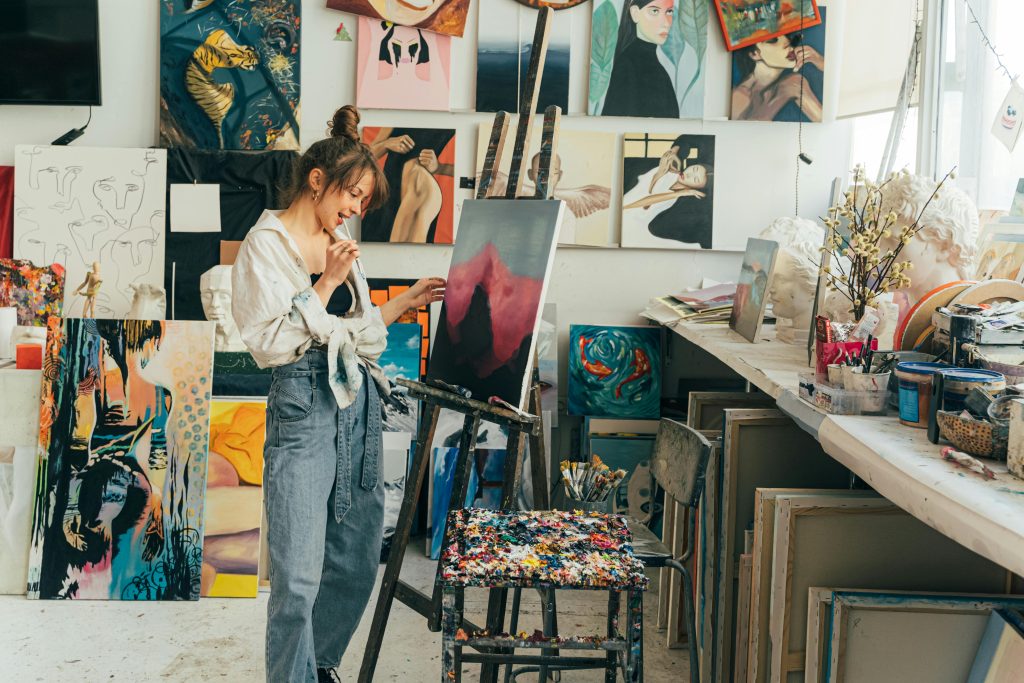
Usually, custom paintings take between two and eight weeks. If the piece is larger or more detailed, it may take longer. It’s always best to factor in shipping time, especially for international orders.
What Does It Cost?
Prices vary a lot and are also based on who you work with, as in:
- Beginner: $50 to $200 for small works
- Mid-career: $500 to $2, 000
- Established: $2, 000 or more
It is reasonable to expect to pay more for size, material, detail, and the artist’s level. Don’t disrespect the artist by asking for them to work for free, or for ‘exposure’.
You should be proud of the custom painting at the end of the process, as it is something you can say you helped create.