
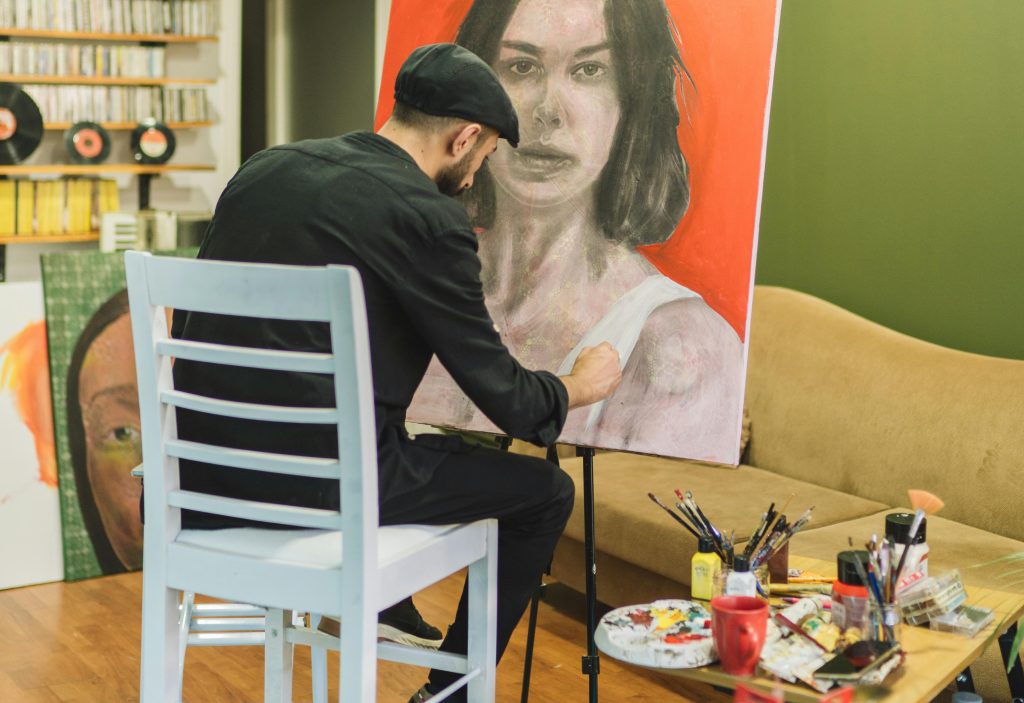
Acrylic paint is a medium that rewards boldness. You can pile it on thick, water it down thin, or even scrape through it with a credit card. No other paint gives you that much freedom in one tube.
Artists who work with acrylics know this well: texture is what pulls a viewer into a painting. A flat canvas can look fine. But add real depth, and people stop, lean in, and study every inch. That’s the power of texture.
Here’s how artists actually build it.
Start with an Underpainting
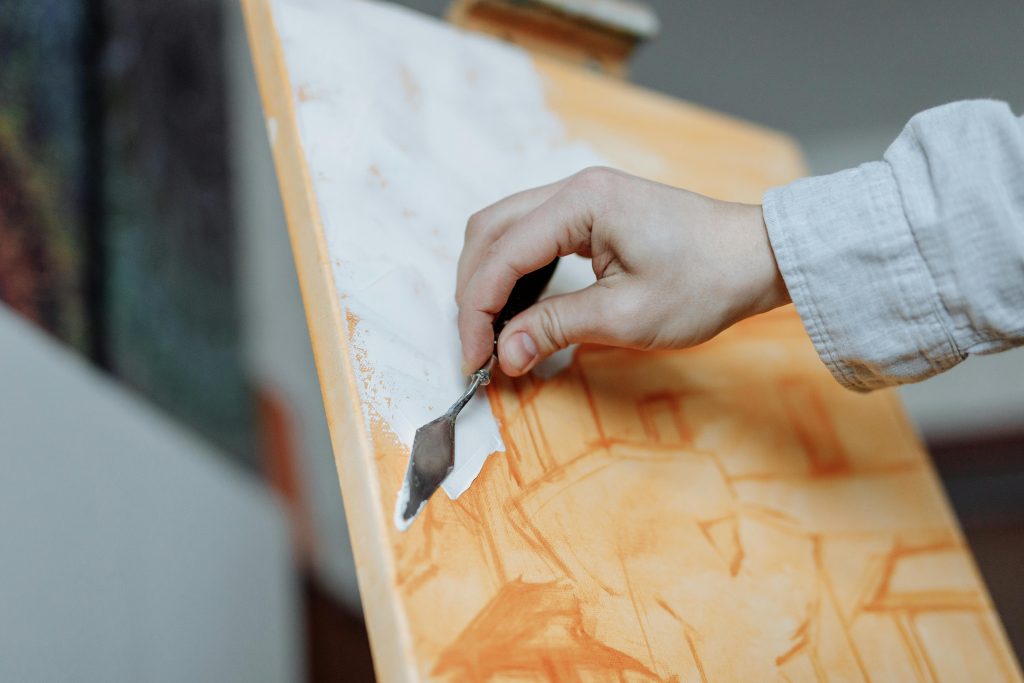
For most artists, underpainting is the first step in the painting process. It is a loose first layer where the artist tries to gauge a feel for the painting. A good tip is to experiment with a warm color like burnt sienna, then add a glaze of cool colors such as blues and greens. That combinatio
n is an almost certain way to create an underglow. Don’t sweat any details in this layer. Just create a base for your shapes to block out and let the underpainting do the work.
Glazing
Using glazing is a very simple way to create depth, with the right number of layers. To complete this step, you will need to add a glazing medium to some paint to create a thinner, more controllable layer. Work this over some previously dried paint, and you will notice that each layer changes the painting’s mood a little. Build up enough layers, and the painting will begin to feel ‘rich’.
Dry Brushing
Select a brush and put on very little paint. Drag it lightly across the painting’s surface. The paint will build up in some areas, and the brush will leave uneven, fractured marks. This technique is perfect for dry grass, tree bark, or rock. It is one of the most effective ways to add texture.
Palette Knife
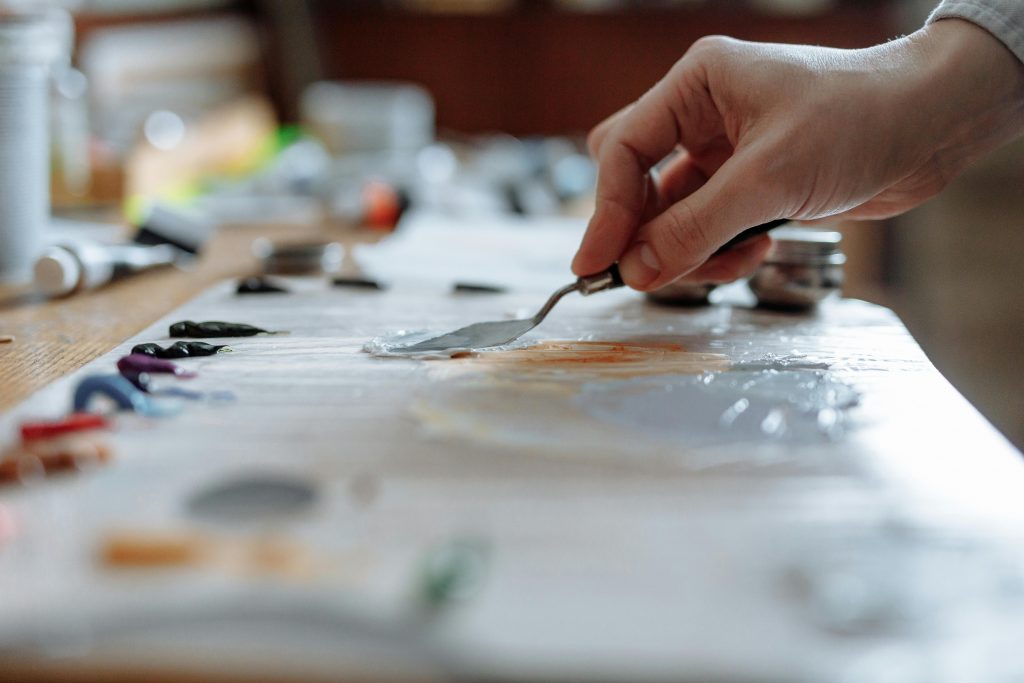
A palette knife puts down thick, bold paint. You can see the ridges it leaves behind. It’s raw and full of energy. No palette knife? A piece of stiff cardboard does the same job. It works just as well and costs nothing.
Sponge or Rag
A sponge or a torn-up rag can be more useful than you might expect. Dip it in paint and press it onto the canvas. You get soft and uneven marks that can look like leaves or clouds. The effect feels loose and natural. It also helps you avoid working in one area for too long. That mistake is made often.
Gel Medium for Thick Layers
Mix heavy gel medium into your paint before you put it on. It stays thick, and each ridge is held in place as it dries. You can shape the paint almost like clay. This method is called impasto. The raised surface catches light and shadow in a way that flat paint cannot match.
Scraping
Apply a thick layer of paint. Then drag a credit card or piece of cardboard through it before it dries. The tool pulls away the top color and reveals what’s underneath. It creates lines that look like water ripples or cracked dirt. Fast to do. Always a little surprising.
Mixed Media
Attach sand, fabric, or ripped paper directly to your canvas. You can press them into wet paint or glue them down. Then, paint over them. These materials will make your work much more tactile and add dimension.
The Final Details
When most of the big texture work is done, you can switch to fine detail work. Use a small brush to paint lines for leaves or light reflections on the water. Take a step back and check the balance.
Finish the painting with a thin layer of varnish. This will deepen the colors and unify the different layers.
The thing that gives a painting life is texture. Use one of these techniques for your next canvas and see what happens.