
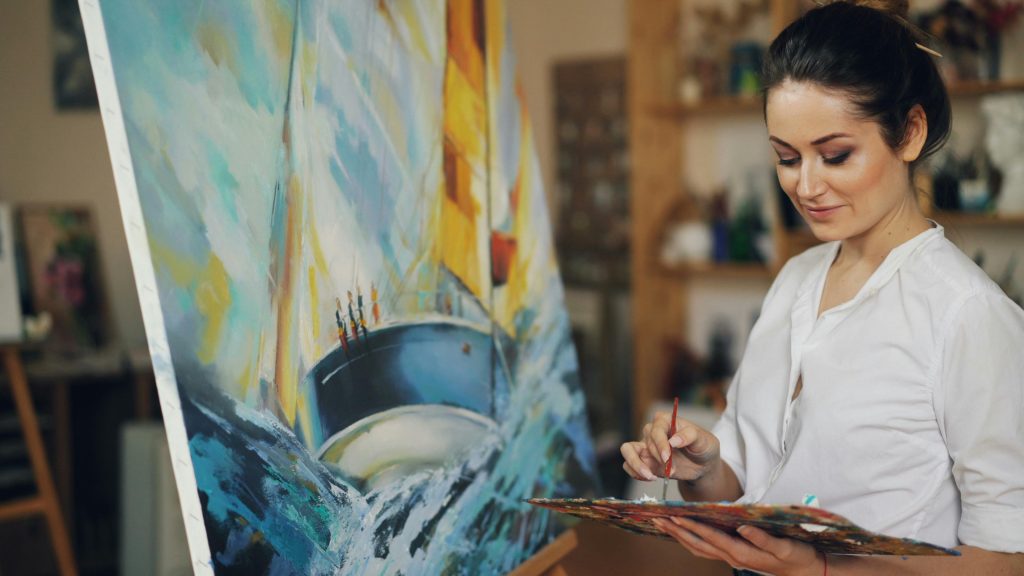
You’ve chosen to have a custom portrait painted. Good decision. There are so many qualities that hand-painted portraits have that printed photos do not. They feel more dynamic and can capture a wider range of emotions. They won’t go out of style and can become family heirlooms.
But what do you send to the artist? What dimensions do you choose? What style do you go with? These are absolutely reasonable questions to have. Let’s break it down.
Start With the Right Photo
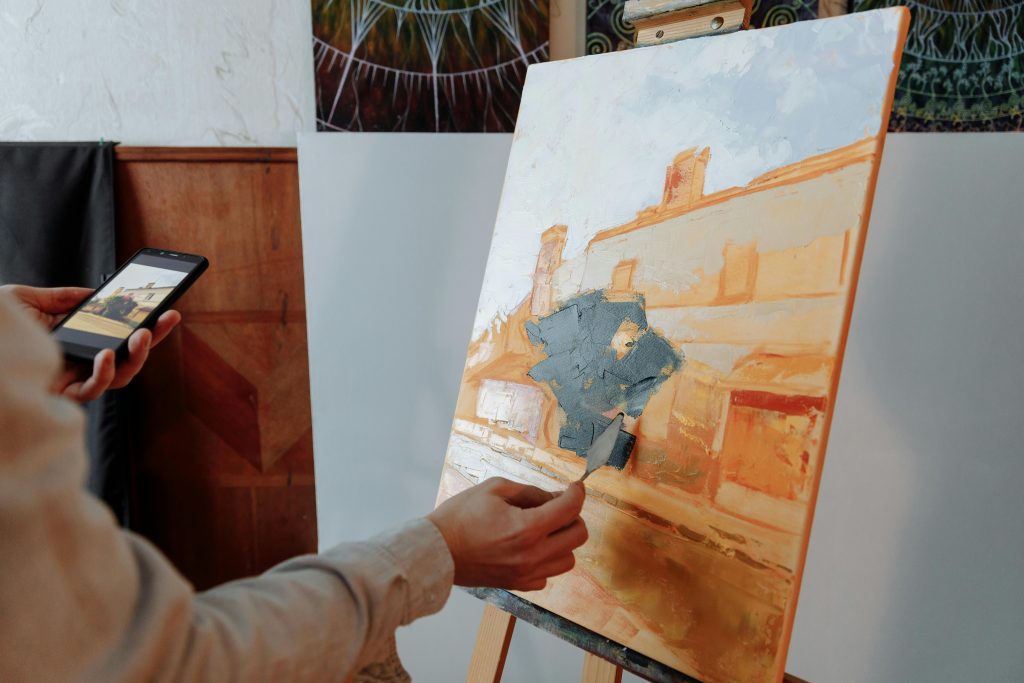
The photo you send matters more than most people realize. Your artist can only work with what you give them. A blurry or dark image will make their job much harder. It can also affect how the final painting turns out.
Here’s what makes a good reference photo:
- Clear and in focus, especially on the face
- Good natural lighting, like near a window or outside in soft light
- The subject looks relaxed, not stiff or forced
- Some shadow and highlight to give the face depth
- Shot from a natural angle, not too close or too far away
Try to avoid flash photos. They flatten the face and wash out detail. Early morning or late afternoon outdoor shots tend to look the best. The light is softer and warmer at those times.
Don’t panic if your favorite photo is a bit old or grainy. A good artist can work with imperfect images. Just let them know upfront. They may ask for a few extra reference shots to help fill in the gaps.
How Many Photos Should You Send?
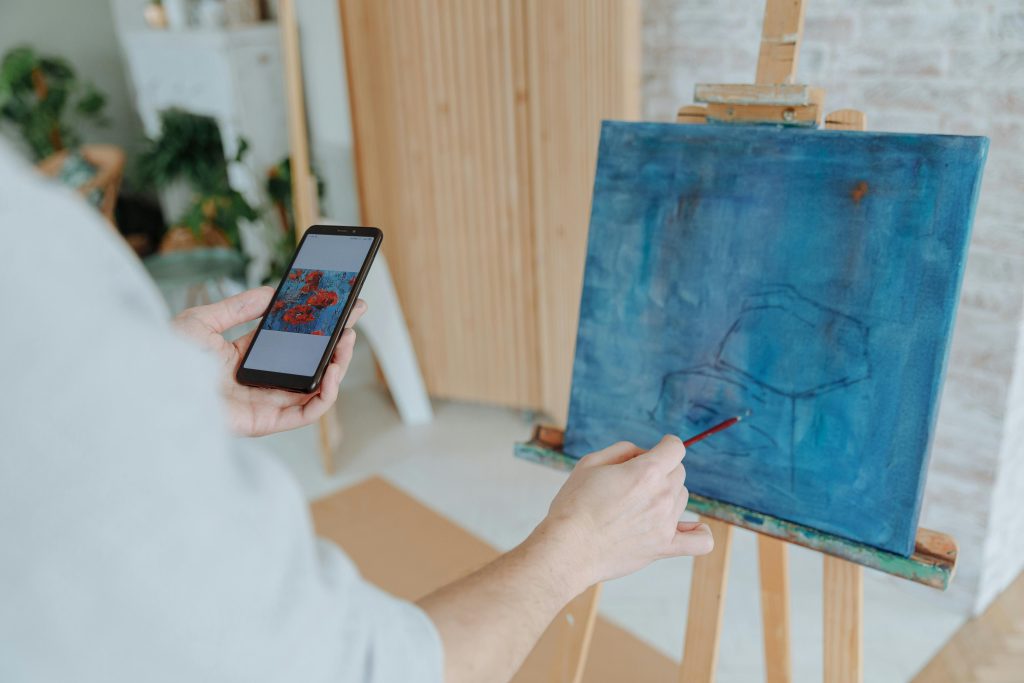
One great photo is usually enough for a single subject. But sending a few extras never hurts. Extra shots from different angles help your artist get a feel for the person’s features and personality. This is especially useful for capturing a true likeness. If you’re doing a group portrait, send a clear photo of each person. Even casual snapshots can help your artist out.
Picking the Right Size
Size is a big deal, and it often gets overlooked. A tiny painting with three people won’t show much detail. And a huge canvas of just one face might feel like a lot in a small room.
Here are some things to keep in mind:
- Small sizes work well for one subject with a simple background
- Medium sizes fit couples or small groups in a balanced way
- Large sizes work well for families or as a strong focal point on the wall
- Always look at the wall space before you make your choice
Your artist can help you here. Just tell them the wall space you have in mind. They’ll point you toward a size that fits both the space and the subject well.
Choosing a Style
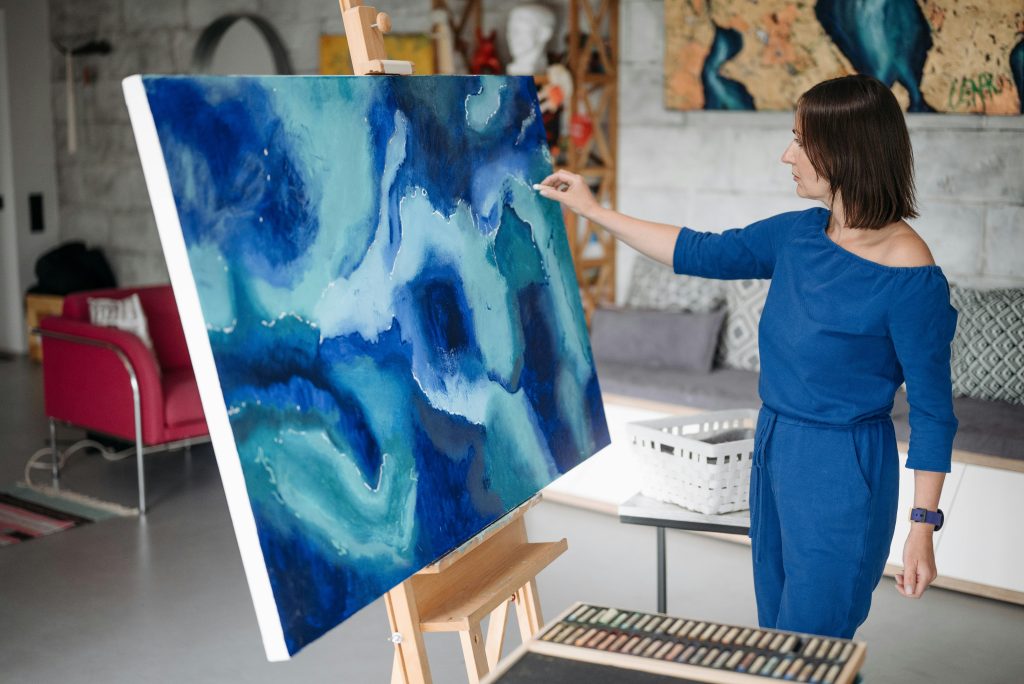
Style is where things get fun. Some people want a painting that looks close to a photograph. Others want something looser and more expressive. And some love that rich, classic look you see in old master paintings.
Common styles to pick from:
- Realistic: Detailed, lifelike, close to the original photo
- Expressive: Looser brush strokes with more feeling than precision
- Classic oil: Deep color, warm tones, and a timeless feel
- Modern acrylic: Bold and bright, often more graphic in look
Portraits are created using different types of paint. Oil paints are good because they are easy to use, blend well, and produce natural, warm colors that suit skin tones. Acrylic paints dry fast, and the colors are vivid and fresh. Both are great options, and it comes down to the look the artist wants.
If you do not know what to look for, you can show your artist a few paintings that you really like. This way, the artist can get a better understanding of what you want, and it’s easier than trying to explain it.
Full Body or Half-Length?
People tend to have a hard time making this decision. Half-body portraits focus more on the face and upper body, so they feel more personal. Full-body portraits show both the body and the environment around you.
In most cases, a half-body portrait is the best option. You get the best expression and face detail, and you don’t have to get a very big canvas to do it.
A Few Last Tips Before You Send
Before you hit send, do a quick check:
- Is your photo clear and in focus?
- Is the lighting decent?
- Have you shared any extra reference images?
- Do you have a size and style direction in mind?
Your artist wants to do their best work for you. The more helpful details you share, the stronger the painting can be. Clear photos help a lot. The right size helps, too. A clear style direction is also enough to get the process started.
From there, it’s in good hands.